sleep · 4 min read
Magnesium and sleep: what the evidence actually shows

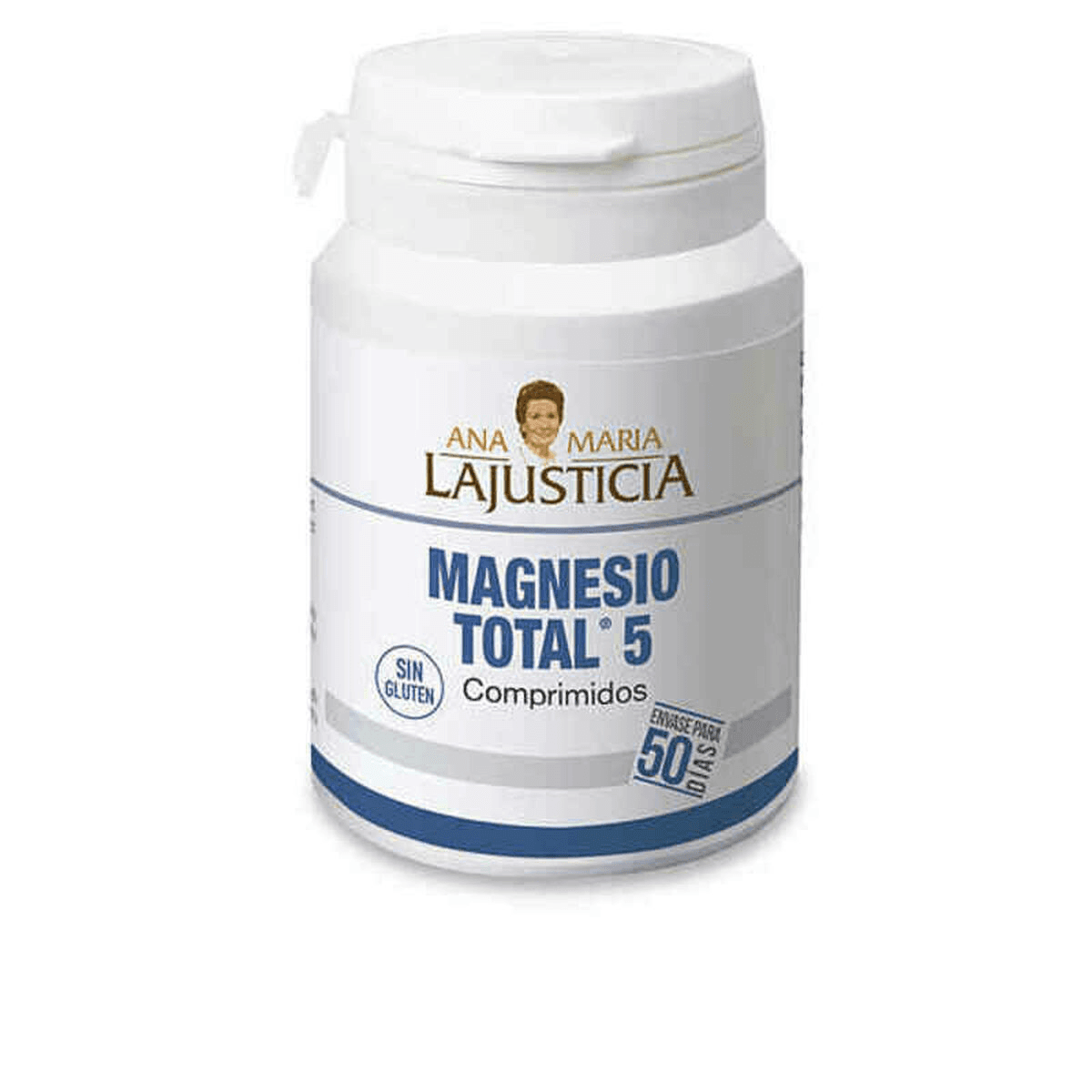
Magnesium is a mineral your body uses in hundreds of everyday processes, and it's one of the nutrients people most often fall short on through diet alone.[2] Because it contributes to normal muscle function and to a normal functioning nervous system, it shows up a lot in conversations about winding down.[1]
Why the form on the label matters
"Magnesium" on its own isn't a complete description — the mineral is always bound to something else, and that pairing affects how gently it's absorbed. Magnesium bisglycinate (also written glycinate) is chelated to the amino acid glycine, a form often chosen because it tends to be easy on the stomach compared with magnesium oxide or citrate.[3]
How much, and when
Reference intakes for adults sit in the range of roughly 300–420 mg of elemental magnesium per day from all sources.[2] The word that matters there is elemental — a label listing "1000 mg magnesium bisglycinate" delivers far less than 1000 mg of actual magnesium, so check the elemental figure in the supplement facts. Many people who take it as part of an evening routine do so simply because that's when the habit is easiest to keep.
What to look for
- The elemental magnesium dose per serving, not just the compound weight.
- A named, chelated form (bisglycinate) if stomach comfort is a priority.
- Third-party testing and a certificate of analysis for what's actually in the bottle.
Magnesium isn't a sedative and this isn't medical advice — it's a dietary mineral that's part of a balanced routine. If you have kidney concerns or take medication, talk to a clinician before adding any supplement.