beauty · 4 min read
Collagen and protein powders: the basics, minus the hype
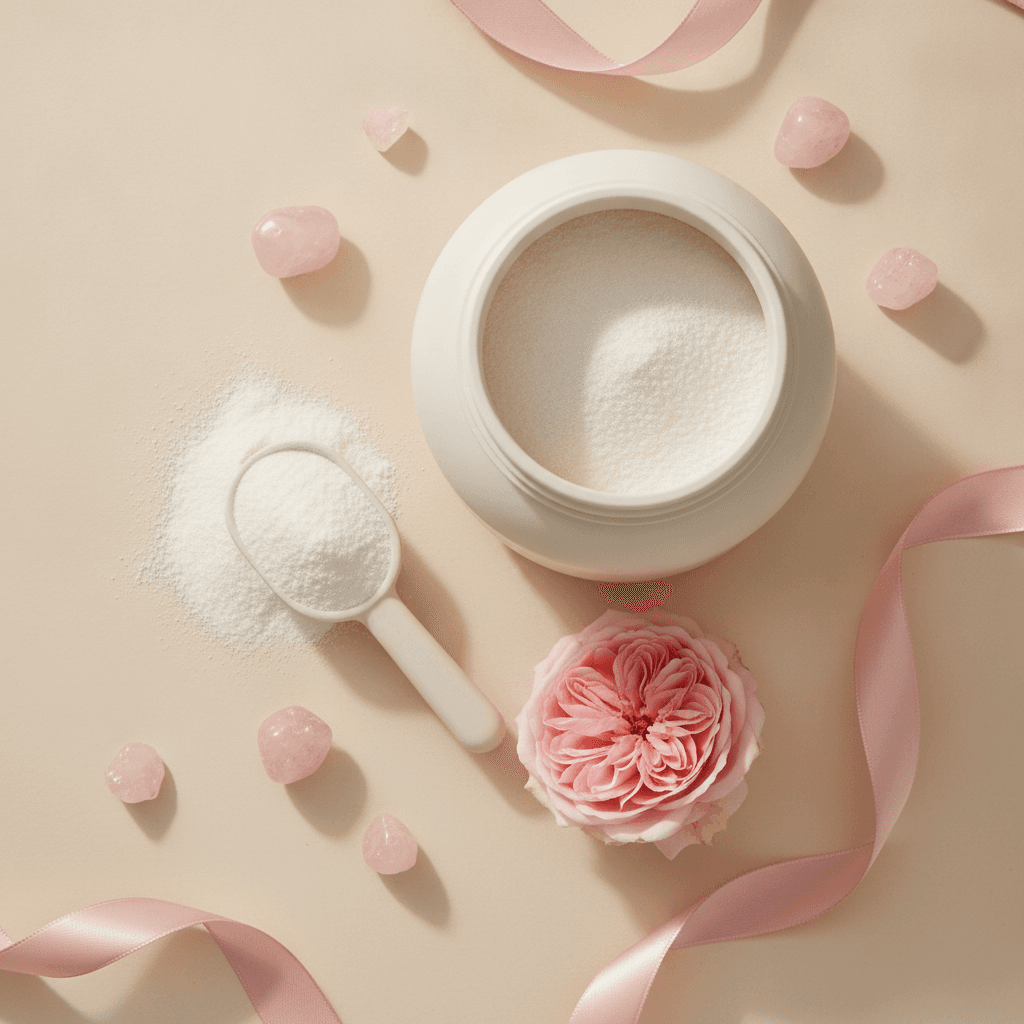
Protein contributes to the growth and maintenance of muscle mass and to the maintenance of normal bones — two authorised roles that apply to protein in general, at adequate intakes.[1] Beyond that, the differences between powders come down to amino-acid makeup and format.
Collagen is a specific kind of protein
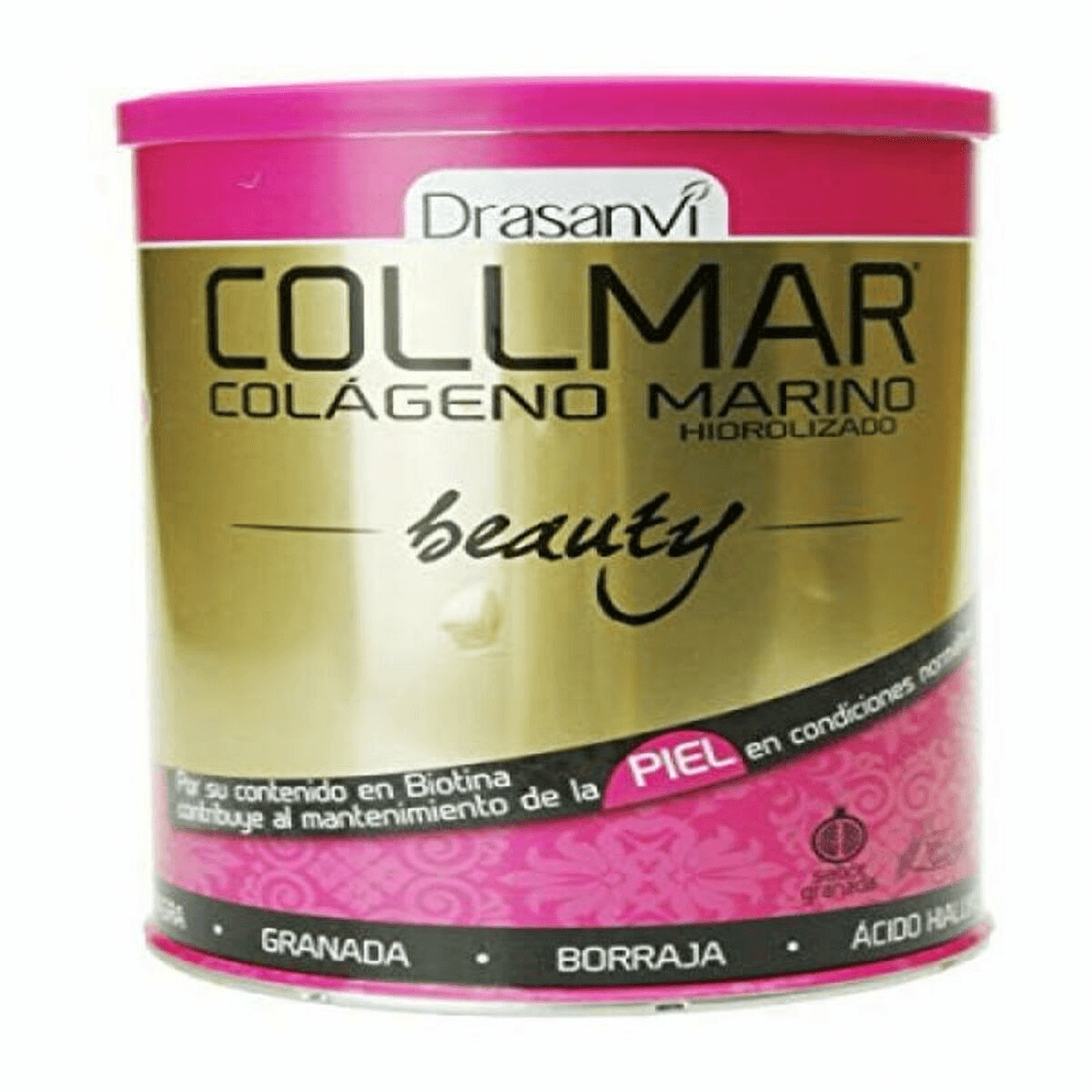
Collagen peptides are a hydrolysed (pre-broken-down) protein rich in the amino acids glycine, proline, and hydroxyproline. That makes it a convenient, mixable protein source, though its amino-acid profile is different from a "complete" protein like whey — it's low in some essential amino acids. Marketing around collagen often runs ahead of the evidence, so focus on what the label discloses: grams per serving and the source (bovine, marine, etc.).
Whey vs plant blends
- Whey is a complete protein with a high leucine content, popular around training.
- Plant blends (pea + rice, for example) combine sources to round out the amino-acid profile.
- Either way, the number that matters is grams of protein per serving, not the scoop size.
Reading the label
Watch for "amino spiking" — cheap free amino acids added to inflate the measured protein number. A transparent brand shows the protein source clearly and, ideally, third-party tests for banned substances if you compete.[2]
This is general nutrition education, not medical or dietary advice.